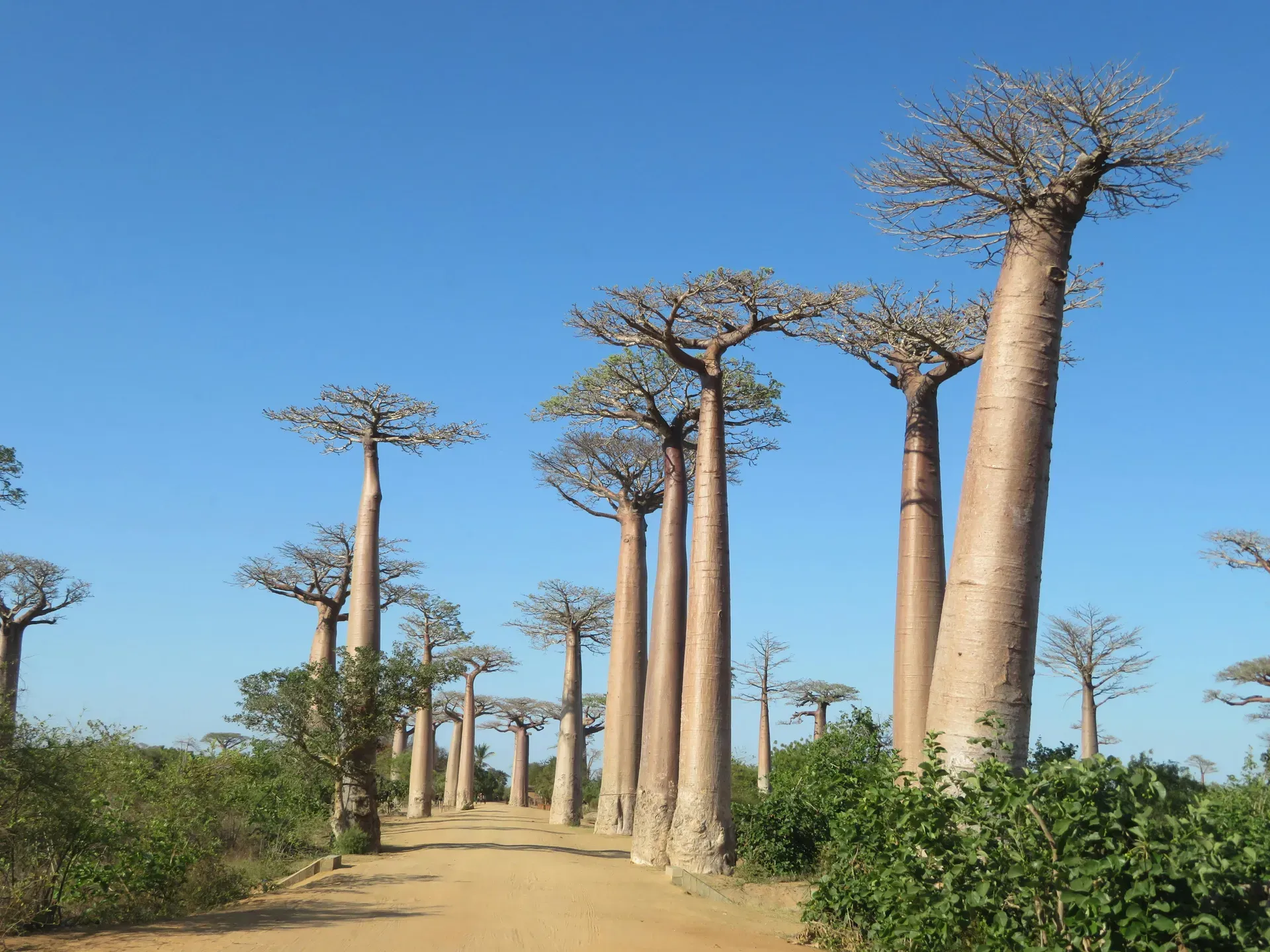
Combine Madagascar's iconic giant trees with wildlife spotting on these excursions. Several of these Avenue of the Baobabs tours include visits to nearby Kirindy Forest, giving you the perfect opportunity to see lemurs in their natural habitat.

Explore the Big Tsingy spires and Baobab Avenue on a 3-day 4WD adventure with a private local guide.

Discover the Avenue of the Baobabs and Kirindy Forest’s wildlife on a full-day guided SUV tour.
 Free Cancellation
 Capture the Baobab Avenue at sunrise and sunset, with a day of wildlife tracking in the Kirindy Forest Reserve.
 Free Cancellation
 Explore Madagascar’s iconic baobabs from dawn to dusk, including the Baobab in Love and a rare hollow tree climb.
Read what travelers share about their experience visiting Avenue of the Baobabs — from practical tips to personal highlights.

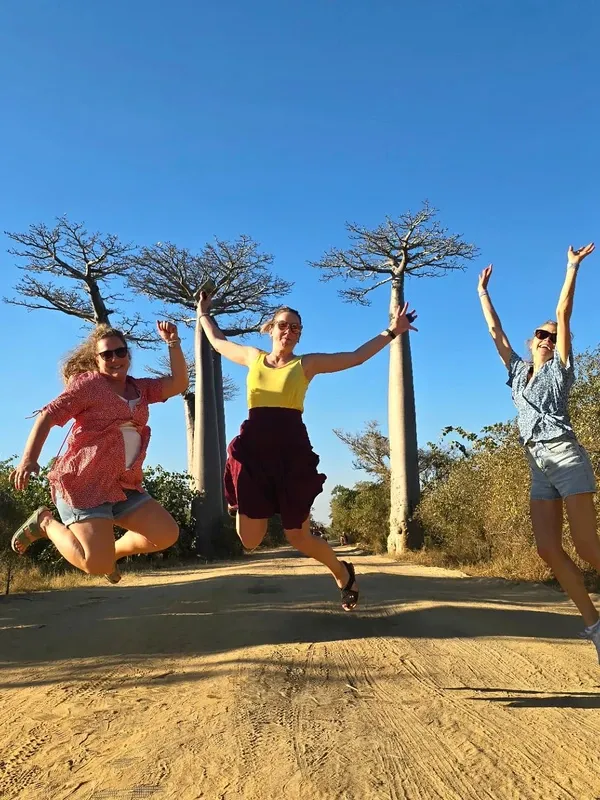
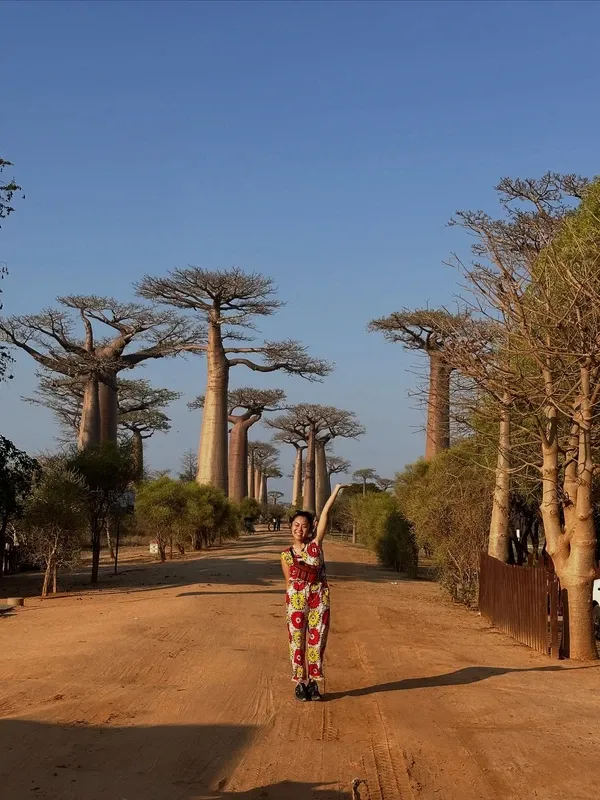
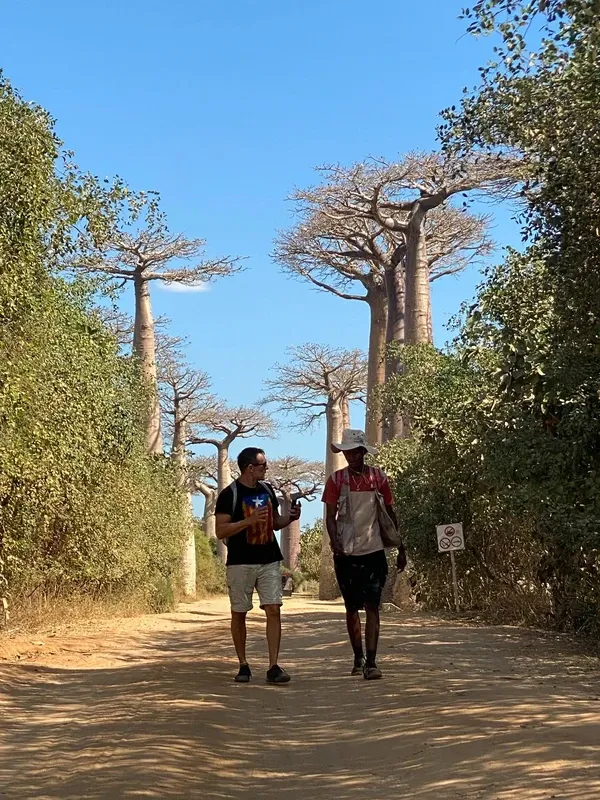
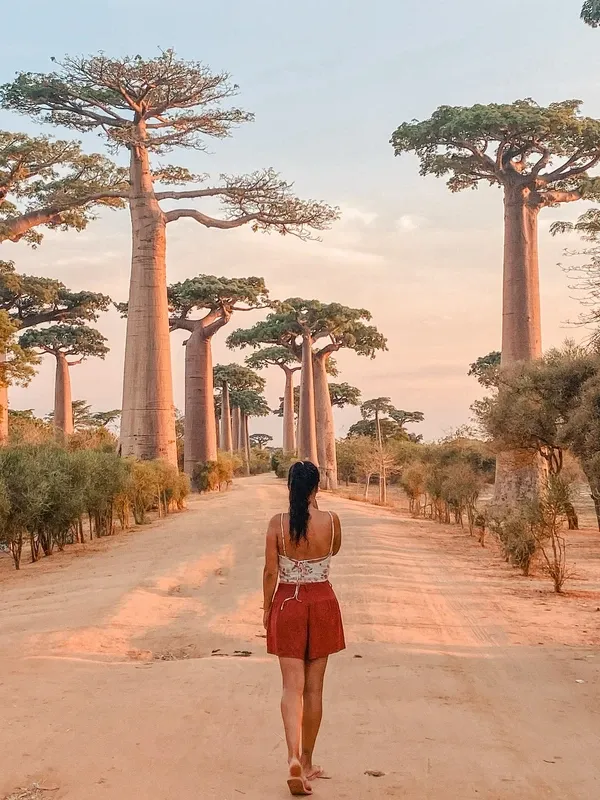
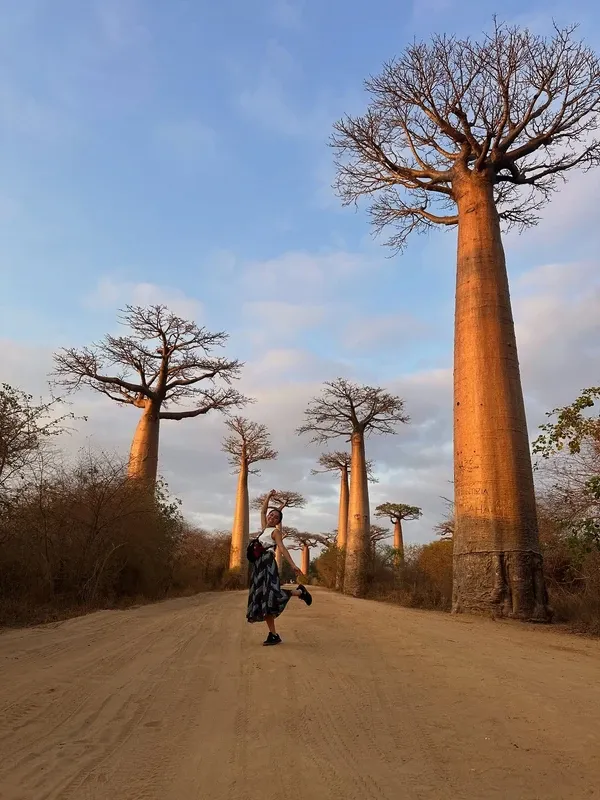
A tour of the Avenue of the Baobabs and surrounding reserves offers a surreal encounter with Madagascar's ancient giants and unique wildlife. You will witness towering, centuries-old trees lining a rugged dirt road and have the opportunity to venture deeper into the forest to spot rare lemurs in their natural habitat.
Watch the massive, cylindrical trunks of the baobabs turn brilliant shades of orange and red as the sun sets behind their root-like canopies.
Venture to the nearby Kirindy Forest Reserve to spot various endemic lemur species leaping through the dense tropical canopy.
Visit two rare baobabs naturally twisted together, located just a few kilometers from the main avenue and steeped in local romantic legends.
Step directly inside the massive trunk of a living baobab tree for a truly unique perspective on these 800-year-old survivors.
Stay after dusk to experience the Milky Way framed perfectly by the ancient giants in an area with minimal light pollution.
Keep your eyes peeled for Madagascar's apex predator, the elusive fossa, during extended day trips into the western forest reserves.
Planning a trip to western Madagascar requires some foresight due to the remote location and rugged terrain. Here is what you need to know before booking your Avenue of the Baobabs and lemurs tour.
You can choose from half-day sunrise or sunset trips focusing solely on the Avenue, full-day excursions combining Kirindy Forest for lemur spotting, or multi-day 4WD adventures to the Tsingy de Bemaraha.
While the Avenue itself is a public road with free entry, tours usually cover the local parking fees (2,000-5,000 Ar) and any national park entrance fees required for extended wildlife trips.
Book for the dry season (April to November) for reliable road access. Wet season tours (December to March) are possible, but the dirt roads become extremely muddy and strictly require specialized 4WD vehicles.
The Avenue is flat but consists of uneven dirt and sand. While some private tours can accommodate wheelchair users, all-terrain tires or power chairs are highly recommended due to the lack of paved paths.
Most guided tours include private 4WD transportation, hotel pickup in Morondava, and a local guide. Multi-day trips often include breakfast and accommodation, but lunch and dinner are frequently excluded.
Policies vary significantly by operator. Some day tours offer full refunds if canceled 24 hours in advance, while others are strictly non-refundable. Always double-check the specific terms before confirming your booking.
Lemurs are rarely seen at the Avenue itself. To see them, ensure your tour includes a guided stop at the Kirindy Forest Reserve, located about a two-hour drive away.
| Avenue Sunrise/Sunset Tour | Full-Day Kirindy & Baobab | Multi-Day Tsingy Adventure | |
|---|---|---|---|
| Duration | ~2-4 hours | 8.5 - 14 hours | 3 days |
| Best for | Photography and short visits | Lemur spotting and baobab exploration | Comprehensive western Madagascar exploration |
| Includes | Private transport, guide, parking fees | Transport, park fees, guide, hotel pickup | Transport, park fees, 2 nights accommodation, breakfast |
| Price from | $40 - $90 | $237 | $1,670 |
The Avenue of the Baobabs is located on a public dirt road (Route Nationale 8) and is technically open 24/7. There are no gates or closing times.
However, the best times to visit are during the golden hours. Arriving about 60 to 90 minutes before sunset allows you to secure a good photography spot before tour buses arrive. Alternatively, visiting 30 minutes after sunrise offers beautiful morning mist and significantly fewer crowds.
Nighttime visits are popular for astrophotography, but travelers should coordinate with a guide for safety and transport logistics.
The Avenue is located in the Menabe region, sitting on a flat coastal plain approximately 20 km northeast of Morondava.
The most reliable time to visit is during Madagascar's dry season, from April to November. During these months, you will experience clear skies ideal for photography and dry roads that make the 20 km drive from Morondava manageable.
The wet season runs from December to March. While the baobab trees will have lush green leaves during this time, heavy rains turn the unpaved RN8 road into deep mud, making it potentially impassable for standard vehicles. If visiting in the wet season, a 4WD vehicle is strictly mandatory.
The Avenue of the Baobabs presents some challenges for visitors with mobility issues, though it is not impossible to navigate.
The terrain is flat but consists entirely of uneven, packed dirt and sand. This makes manual wheelchairs difficult to push; power wheelchairs or all-terrain tires are highly recommended. There are no formal ramps or paved paths on-site.
For elderly visitors, the site is generally accommodating as the main viewing area requires minimal walking (the avenue is only 260 meters long). However, be aware that the 30-40 minute drive from Morondava is extremely bumpy.
Facilities at the Avenue of the Baobabs are very minimal, preserving the natural state of the landscape.
The baobab trees, known locally as 'Renala' (Mother of the Forest), are considered sacred by the Malagasy people. Visitors are expected to treat the Natural Monument with respect.
No, entry to the avenue is completely free as it is situated on a public dirt road. However, if you drive, there is a small local parking fee of approximately 2,000 to 5,000 Ariary.
Lemurs are rarely seen at the avenue itself. To spot lemurs, you should book a tour that includes a visit to the nearby Kirindy Forest Reserve, which is about a 2-hour drive away.
The avenue is located approximately 20 km (12 miles) northeast of Morondava. The drive takes about 30 to 40 minutes depending on the condition of the unpaved road.
The best lighting for photography is during the golden hours: about 60 minutes before sunset or 30 minutes after sunrise. Sunrise is generally much less crowded than sunset.
Yes, but it requires preparation. Between December and March, heavy rains make the dirt road extremely muddy, so a 4WD vehicle is absolutely essential to avoid getting stuck.
The Grandidier's baobabs lining the avenue are ancient, with estimated ages ranging between 800 and 2,800 years old.
There are no formal public restrooms at the avenue. A small visitor kiosk may have very basic facilities, but it is highly recommended to use the restroom before leaving your hotel in Morondava.
While the area is generally safe during the day, travelers are advised to avoid driving the rural roads at night due to reports of 'dahalo' (cattle bandits) operating in the broader region.
There is no formal dress code, but comfortable clothing and sturdy walking shoes are recommended. Be sure to bring sun protection, plenty of drinking water, and insect repellent for the evening mosquitoes.
Yes, most private and full-day tours operating out of Morondava include convenient pickup and drop-off at your local hotel or the airport.
Browse verified tours with free cancellation and instant confirmation.
Find Tours


This three-day trip covers the highlights of western Madagascar, beginning with the giant trees of Baobab Avenue. You will travel by 4WD across rugged terrain and use local ferries to manage river crossings. Along the way, there are regular opportunities to see lemurs in their natural habitat among the trees. The itinerary includes a visit to the Big Tsingy, where you will cross suspension bridges and climb through the sharp limestone rock formations. You will be supported by a private driver and a local guide who knows the area's trails and wildlife. All transportation and guiding services are included for the duration of the tour.
If you cancel at least 3 full day(s) before the scheduled departure time, you will receive a full refund.<br>If you cancel within 3 day(s) of the scheduled departure, you will receive a 0% refund.
English, French


Visit the world-famous Avenue of the Baobabs and Kirindy Forest on this comprehensive eight-hour tour. The day focuses on the unique biodiversity of western Madagascar, offering the chance to spot rare wildlife like the fossa and various lemur species in their natural habitat. You will also have ample time to photograph the massive, centuries-old baobab trees that define the local landscape. Transportation is provided in a comfortable SUV, with the drive to and from the parks taking about 1.5 hours each way. Along the route, the scenery shifts between coastal views, dry deciduous forests, and arid plains. This itinerary combines the region's most famous photogenic spots and wildlife parks into a single, efficient day trip.
All sales are final. No refund is available for cancellations.
English, French


This excursion begins with an early departure from Morondava to reach the Avenue of the Baobabs for sunrise. Catching the first light against these massive trees offers the best conditions for photography before the day warms up. Following the sunrise, the trip continues to the Kirindy Forest Reserve, a protected area of dry deciduous forest. Inside the reserve, you will look for endemic wildlife including various lemur species and the fossa, Madagascar’s apex predator. The walk through the forest provides a close look at the island's distinct ecosystem and its native baobab species. The return journey includes a second stop at the Avenue of the Baobabs. You will stay for sunset to see the silhouettes of the trees against the changing sky before returning to Morondava in the evening.
For a full refund, cancel at least 24 hours before the scheduled departure time.
English, French


The tour begins at dawn at Baobab Alley to watch the sunrise over the ancient trees. From there, we visit the Baobab in Love, where two trunks have grown intertwined over centuries, followed by a stop at the Hollow Baobab. This unique site allows you to step inside the trunk of a living tree, an experience not typically included on standard itineraries. The day concludes back at Baobab Alley for the sunset. During the afternoon, you will have time to relax at the local restaurant and sample baobab fruit or ice cream. Our team is locally owned and operated, with guides from the area who provide personal insight into the landscape and the history of the region.
For a full refund, cancel at least 24 hours before the scheduled departure time.
English, French